Posts

The Endocannabinoid System and Its Connection to Your Health

Image
The endocannabinoid system is a receptor system found all over the human body, including in the brain, gut, immune system, peripheral nervous system, bone, and skin. It touches every single organ and system in the human body. It has been overlooked by the medical community for many years and is now garnering much necessary attention, as studies have shown how important it is to the overall health of the human body. There are two major receptors involved in the endocannabinoid system. One is CB1 found primarily in the brain, and the other is CB2, which is found primarily in the immune system. Cannabinoids are molecules that attach to these receptors. Cannabinoids are produced naturally by our bodies (endogenous cannabinoids) and are also produced by plants (phytocannabinoids). Anandamide was the first endogenous cannabinoid discovered in 1992. It was named after the Sanskrit word ananda, meaning joy or bliss, and is also known as the bliss molecule.  In 1995, a second endocan...
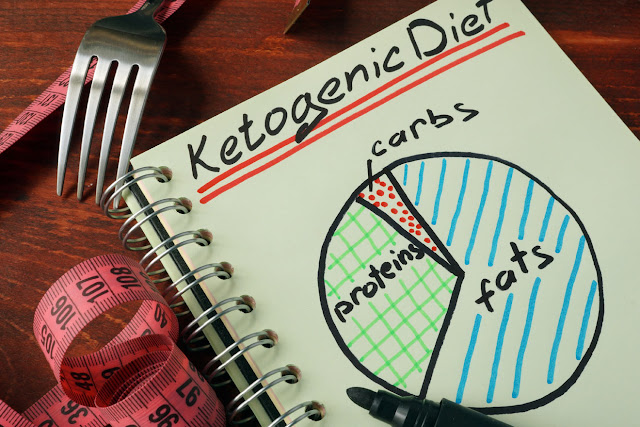
Ketogenic Diet - What You Should Know

Image
The body uses glucose as its primary source of energy. When carbohydrate or glucose metabolism is restricted, the body will produce ketone bodies from fatty acids as an energy source. If someone reduces the number of carbohydrates they consume, or are fasting, then ketone bodies become the default energy source. Ketone bodies consist of Acetoacetate, which can be detected best in the urine, Beta-hydroxybutyrate, which can be detected best in the blood, and Acetone, which can be detected best through the breath. The standard ketogenic diet consists of 75 percent fat, 20 percent protein, and 5 percent carbohydrate. The average American's diet consists of 56 percent carbohydrate, of which a large percentage is refined and simple sugars, which spike insulin and lead to insulin resistance and weight gain. The ketogenic diet changes how your body uses energy through entering a state called ketosis. The body has to adapt to this new way of working through ketogenesis. In this process of...

Breathing As a Tool for Healing

Image
Sometimes the things that are so easy, simple, and literally right under our noses are the things we overlook and pay little attention to. Breathing is one of those things that many of us don't think twice about. Unless we have a cold, allergies, asthma, exert ourselves, or travel to a high altitude location, it is something that many of us don't think about on a regular basis. Yet, the breath is probably the most vital process to our survival. What other process in our bodies can be stopped for minutes or less and lead to death? Yoga and meditation practices have raised awareness and a greater understanding of deep breathing and its connection to calming the mind and body. There have been many published studies detailing the positive effects of deep breathing on blood pressure, lipid profiles, mood, stress levels, and even alternating the Ph of the blood. What is it about deep breathing that has so many proven benefits for the mind and body? One answer lies in the element...

Epigenetics and Gene Expression

Image
Every one of us has genetic predispositions. In other words, we have genes that, when activated, increase the likelihood of developing a specific physical or emotional disease. What genes we inherit are specifically determined by our parents and are influenced mostly by our ancestors going back seven generations. What is Epigenetics? Epigenetics is the study of how our environment and how we live our lives influence our gene expression. Many people believe they are destined to have a disease because their mom or dad had it, and live in fear of the potential to develop a certain disease. Many studies have shown that we have much more control of how our genes are expressed than ever imagined. John Cairns, a British molecular biologist, did research with bacteria and discovered that bacteria responded to changes in their environment by altering its DNA. His research is just some of the compelling evidence that our genes are either turned on or off depending on our diet, emotional state,...

Optimizing Your Brain

Image
We've all had our moments of forgetfulness, brain fog, struggles to remember a word or a task. Many people say that they are feeling "their age" because they can't find the words, or are forgetful. They assume and accept that they will have cognitive decline as they age. There are many people that do, but there are ways to fight off cognitive decline and enhance brain function. We are bombarded by information and stimuli from our environments that our brains are constantly processing. We ask a lot of our brains. Our brains have about 60,000 to 80,000 thoughts per day, and on top of that, the brain is responsible for keeping our bodies running efficiently. These are some of the ways to keep our brains sharp and healthy. I will start with the simplest thing that everyone should be doing:   Exercise Exercise stimulates glial-derived neurotrophic factor and brain-derived neurotrophic factor, both of which stimulate the formation of new brain cells. Many people stop ...

Nutrients for Optimal Fitness

Image
Exercise can relieve mental tension, promote emotional balance, and can be extremely beneficial to the immune system. However, If you overtrain, are under chronic stress, and are not supported nutritionally, this can have a deleterious effect on the body. Numerous studies have concluded that intensive exercise of a long duration (greater than 90 minutes) can have a depressive effect on the immune system. People that train for marathons are 50 percent more likely to have an upper respiratory infection or cold than the general population. Many marathon runners aren't supplementing with essential nutrients that help with the burden they are placing on their bodies. Long duration exercise increases the hormone cortisol, increases pro-inflammatory cytokines, promotes lactic and pyruvic acid builds up, ammonia buildup, hypoxia, and a change in the circulating immune cells. Here are some tips to counteract these side-effects for all fitness lovers and endurance athletes. Supporting you...

Collagen Deficiency and Wrinkles

Image
Collagen is the most plentiful protein in the human body, and the most common protein found in mammals. It is primarily composed of three amino acids: glycine, proline and lysine. There are over twenty different types of collagen found in the human body, but types 1, 2 and 3 comprise 80 to 90 percent of total collagen. Collagen is essential for the skin, ligaments, bone, blood vessels, eyes, heart (heart valves), organ encasements, gums, teeth, bladder, fascia, and tendons. Collagen is secreted by many types of cells including fibroblasts. Over 85 percent of the protein in the human body is collagen. The successful functioning of our bodies is dependent on adequate collagen synthesis. As we get older, collagen production declines. This shows up as wrinkles and changes in the structural integrity of the skin. Another area in the body that is indicative of decreased collagen production can be receding gums.  In order to make collagen, the body requires an adequate amount of t...